Santa Rosa, California, United States November 10, 2015
Words, words, words . . . I Blame Bill
I’m lost.
I haven’t even got on the plane yet and I’m lost.
Last year, I traveled to France in search of the ghost of an uncle, found the ghost . . . and in some ways found myself . . . on a golf course in Luxembourg, of all places. I returned home a new found man with a new found perspective.
This year, with the foolish hope that I might return to France better prepared, I’ve struggled to reacquaint myself with the French language. My plan is to spend a week immersed in French at Alliance Francais, a French language school in Paris where, given my proficiency in the language, I expect to be charitably placed in a class with a group of 8 year old Japanese students.
Okay, maybe that’s optimistic. Make that 6 year olds.
You’d think that with all the “searching” and “finding” that took place in Paris last year and a year’s worth of tutoring in French, I would be more confident about boarding an Air France 777 tomorrow for Charles DE Gaulle Airport.
I’m not.
And I blame words.
A Typewriter at Shakespeare & Co.
Let me explain.
The French have a phrase, “jeu de mots.” It is pronounced “zhoo-duh-moh. ” Translated, it means “play with words” or simply, “wordplay.”
Don’t be impressed; I only know that because I asked Evelyne, my French instructor, how do you say “wordplay” in French and was surprised to hear that, for once, the French say something the same way we do.
Go figure.
No, don’t go figure.
See! There’s a good example of the perils of translation.Take that phrase, “go figure. To translate “Go Figure” you can’t simply mix and match the various meanings of “go” with the various meanings of “figure.” If you did you might end up with the translation “Start to think” (“Start” as in “Go Dogs Go” + “think” as in “wdya figure that Chevy is worth, Bubba?”). Or you might end up with “Invest in ciphering” (“Invest in” as in “I’ll go in fifty/fifty with ya, Orville” + “cipher” as in “these figures just don’t add up, Earl.”)
Think about it: how do you translate, “Go figure.”
The phrase is so much more than the sum of its literal parts.It has a little bit . . . “who woulda thunk.” A little bit . . . “I’ll be damned.” A little bit, “I can’t explain it.” Add a hint of sarcasm, a bit of an edge, and more than a little attitude, as if to say. .. . .. “duh, doofus.”
I Broke the Rules and Took this Photograph
Words, French or English, are a mystery. They don’t lend themselves to math. They don’t add up or even multiply to equal meaning. They don’t line up in neat rows to be counted. They don’t sit in their seats when told. .
Words misbehave. They’re children. Words play.
And because they play, because they can’t be controlled, they often defy translation. And because they defy translation, I’m lost.
Santa Rosa, California, United States October 26, 2015
Seeing
Often in my line of work as a trial lawyer, two people, each with equally good eyesight, and equally good vantage points, each honest as the day is long, with no motive to fabricate or distort the truth, and each not only confident, but certain of what they think they saw, can’t agree on what it is they did, in fact, see.
Happens all the time.
Wanna know why? Well, I’ll tell you why. The answer lies in the question: it’s not what they saw; it’s what they think they saw.
You see . . . or maybe, like me, you don’t see . . . it takes a brain to see. Ask any “human factors expert.”
Don’t know what a “human factors expert” is? Well, I’ll tell you.
A human factors expert is a “forensic” scientist, often a professor with a doctorate in psychology, who supplements his meager university paycheck with a not so meager paycheck from desperate lawyers like me, to testify why someone did not “see” what was right in front of their face. These expert witnesses . . . whose expertise has more to do with how they testify rather than what they testify to. . . bandy about high falutin terms like “perception” and “perspicuity” basically to explain the “refrigerator phenomenon.” You know the one: when your wife sends you to the refrigerator from a backyard BBQ to get the pickles for the cheeseburgers, you look and look for the jar she tells you is “right there on the top shelf”, you confidently report back that “we must be out”, and she then reaches over your shoulder to grab the jar on the top shelf.
Thankfully men, there is a scientific explanation for this. It’s called “inattentional blindness.” Sight, it turns out, is more than the refrigerator light entering your eyeballs; it is the brain interpreting that light to register baby dills.
Look
Apparently, perception requires eyeballs and a brain.
The absence of the latter brings me to . . . well . . . me.
I don’t see too well. I mean my vision is fine. I just don’t see well. I don’t seecolors. I don’t see textures. I don’t see light and shadows. I’ve got inattentional blindness bad. I mean bad.
Light
And here, I’m going to Paris.
Paris!
The City of Lights!
I’m a friggin lawyer. I’m not an artist.
I need help. I’ll stumble through the damn language. I’ll find the words . . . maybe . . . but I need someone who sees light and shadows and textures and colors.
I need someone who sees the things I don’t; sees beauty when I can’t find the pickle jar. Someone who, while I point a camera to capture a tired, dreary image of the Eiffel Tower in the distant night, looks down from the Pont Alexander where we’re walking, sees the colors of street lamps reflected in the slow water of the Seine below, turns to me, and says,
Santa Rosa, California, United States October 21, 2015
I think Yogi Berra said it best.
Hmmm, maybe it was John Fogerty? It might have been Bruce Springsteen. No, I’m pretty sure it was Yogi.
“It’s like deja vu all over again.”
Yes, Rob (aka “Row-bare”) is going back to Paris. All over again.
A year has passed and, tragically, a French woman has been lost. This is her. Her name is Evelyne Whitman.
Tutor Extraordinaire
If you should see her, please notify the Sebastopol Police immediately. Her family is worried.
Evelyne is an amazing woman. A renaissance woman actually. In her youth, as a Pan Am flight attendant, she helped Marines home from Viet Nam. When injured on the job and her soulless employer turned its cold back on her she sued the bastards and ripped a legal aperture in their corporate derriere, She is a woman who speaks three languages, probably more. A woman who breathes life into the poetry of Hugo, Rimbaud, and Verlaine and fear into studdering middle age American students of French poetry. A woman who has taught herself to paint, to play classical guitar, to install hardwood floors. A woman who can’t translate “C’est impossible”, not because she doesn’t know the language, but because she doesn’t know the concept.
That is until Evelyne, a native French speaker and part time French tutor, stepped into the man hole cover, the black hole, the portal to despair otherwise known as the language acquisition center of the Jackson brain.
She hasn’t been seen since.
When, or if, Evelyne should reappear, she would tell you, right after uttering the words, “that damn man will drive me insane”, that the term “deja vu” is of course a French phrase. Translated literally ( a linguistic practice Evelyne would also tell you is fraught with peril), the phrase “deja vu” means “already seen.”
It is, according to the always reliable Wikipedia, an “anomaly of memory” in which one has a distinct impression that an experience is being recalled. It is not to be confused with several other brain misfires, all of which, not coincidentally, have French labels.
For example, take your “jamais vu.” Your “jamais vu’ (from French, meaning “never seen”) is when you see a word, person or place you have encountered many times before, but have the impression of seeing it for the first time.
That’s similar, but not the same as your “presque vu.” Your “presque vu” (from the French for “almost seen”) is when you sense you are on the brink of an epiphany. You know, the old “its on the tip of my tongue” sensation. That’s “presque vu.” (Maybe not a good analogy when speaking of the French and tongues)
None of which should be confused with your “deja entendu. ” Your “deja entendu” (from the French for “already heard”) is when your are certain you have heard something before, but you’re not real certain you didn’t imagine it.
Anyway, back to Yogi.
Yogi was right. I’m going back to Paris and “It’s like deja vu all over again.”
But this time, it’s not. This time, I know my “jamais”, my “presques”, hell, I even know my “entendus.” Well, kinda. I’ve spent almost a year studying this damn language and I may not know much, but I know my “vu’s”
“Jamais vu’s?” Up my wazoo. To borrow from Haley Joel Osment. . . who incidentally, if you have a chance to Google Image him, is not looking too good these days . . . “I see dead French words” . . . These are those French words I know I drilled on for four years in high school, but I could swear I’ve never seen before.
“Presque vu’s?” Pleeeeeeease………I mean ………”s’il vouuuuuuuuuus plait” I’ve had more damn epiphanies teetering on the tip of my Franco challenged tongue in the past year than . . . than . . .well, . . . hell, I don’t know, but its been a lot. Let’s listen in on a typical French lesson with Evelyne at Coffee Katz in Sebastopol:
Evelyne: Come on; you know that word, Rob.
Rob: I know I know it.
Long pause.
Evelyne: Rob????.
Rob: Just a sec.
Long pause.
Evelyne: Rob??????
Rob: I know that word, Evelyne, I KNOW that word……it’s right . . right . . .
just a sec . . . I’ve got it……”d’accord”, right?
Evelyne: Non.
Rob: Shit.
Need I say more?
And “deja entendus?” Really?? Don’t get me started. I’ve heard it before. I think. . .
So, yes, I am going back to Paris all over again.
I know. I know. I’ve seen it before. I’ve heard it before. I’m not sure if what I saw and heard was real or imagined. I don’t care. All I know for certain is that, try as I might, I will not find the words, English or French, to do it justice.
San Francisco, California, United States November 25, 2014
Almost home.
New York Historical Society Lobby
I find myself returning to the T.S. Elliot quote etched into the marble of the New York Historical Society where I began this adventure. Fitting that it should come from one of the Lost Generation whose writing, in part, inspired this trip and this poor effort at narration.
I suppose it shouldn’t take the end of a journey to begin to understand our origins and better understand ourselves. But, maybe, sometimes it does. Maybe it takes a wide angle view from a distance to give us the perspective to better focus on what is important in the foreground.
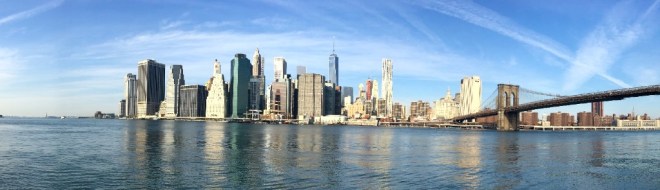
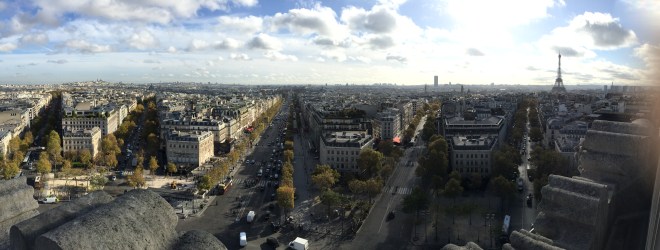
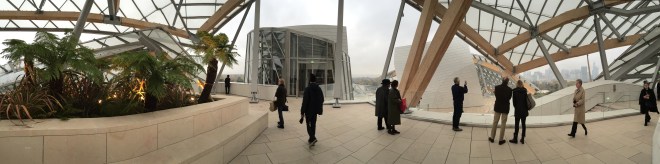
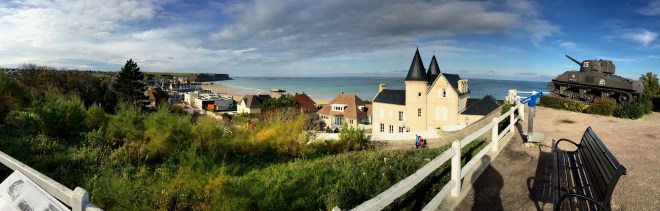
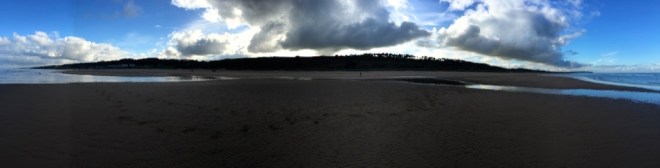
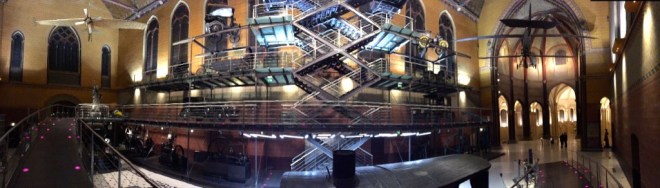
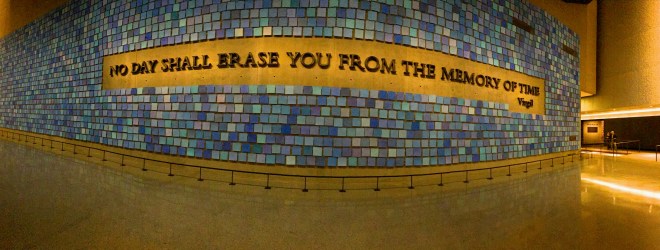
My friend Ian wrote to me to invite me to tell war stories about my adventure and share . . . oh, I don’t know, maybe some . . . COLOR. . . pictures from my trip. He’s probably right; I may have overdone the film noir stuff. So a few color panorama shots from a phone smarter than its owner to bring this midlife adventure into perspective and to a close
New York Subway
Manhattan
Paris from the top of the Arc de Triumph
Gehry
Arromanches
Omaha Beach
Musee de Arts et Technology in Paris
9/11 Memorial
I would like to think . . I hope . . that I come home with three new insights
No. 1. A wider view,
No. 2. A heightened appreciation of light and perspective, and
No. 3. A better understanding . . . the kind of understanding that might only come from traveling alone . . .of the importance of others, those from our past who have shaped who we are, but more importantly those in our lives in the here and now.
Oh, and one more . . . .how to wear a scarf and really sport a man purse
New York City, New York, United States November 24, 2014
I went for one last walk early this morning foolishly thinking that I might find some quiet streets in Paris to take a few more photographs and reflect.
The left bank at 5:30 a.m. reminds me of that old Jimmy Buffett lyric, “. . . there is a fine line between Saturday night and Sunday morning.” Never more true than this morning in this City.
“There’s a Fine Line Between Saturday Night
And Sunday Morning”
I don’t know what I was thinking . . . one of my signature brain fades . . but I expected to see a City just waking up; instead, I found it staggering home after a long night.
Oh, to be young. A young couple kissed passionately at the corner of Saint-Germaine Blvd and Rue d’Odeon.. . .. I mean passionately. A young fella peed into the street on Rue de Conde. A poor young lady, who I assume had a bit too much to drink, wretched while crossing Rue Crebullon.
Cigarette butts, hundreds of them, floated down the gutter as a restaurant worker hosed down the sidewalk. Trust me: smoking is not prohibited in Paris.
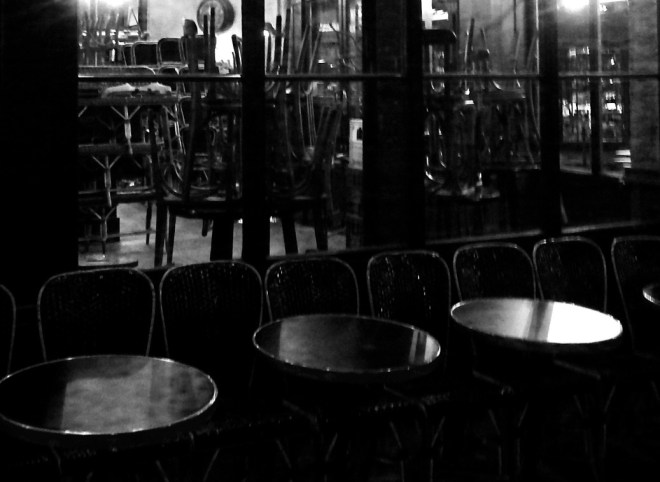
A group of young waiters gathered at the bar in Le Precope feverishly arguing over something. I made out the word, “foooot-bawl.” Others were placing chairs upside down on tables at Brasserie Lipp.
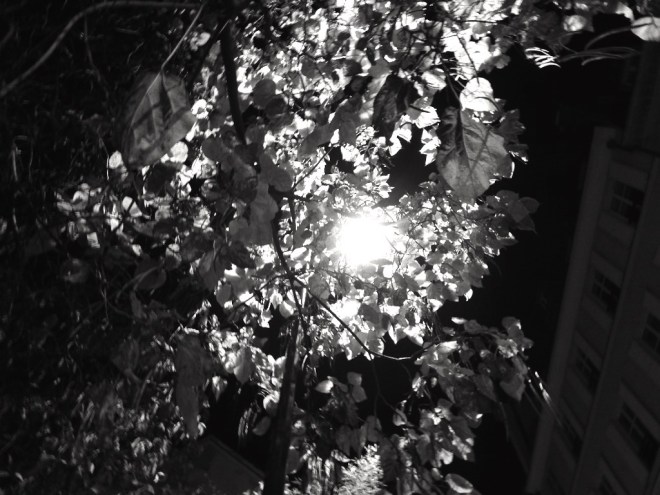
What’s Up There?
I stopped to photograph the light from a street lamp as it filtered through the leaves of a tree when a street sweeper approached me, looked up, and asked me what I saw interesting in the tree. He was a friendly guy and we had a brief conversation, each of us searching for words in the other’s language, but he grew suspicious of me when I asked if I might take his picture.
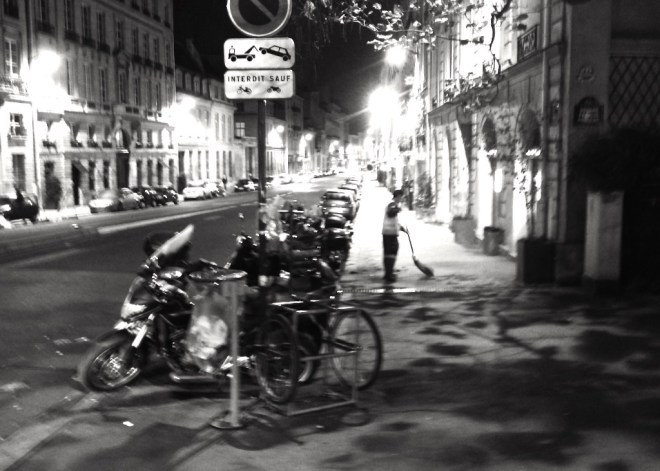
Street Sweeper
And as I returned to my hotel to pack to head to the airport, I saw another middle aged fella and his wife thumping up the stairway from the subway dragging their wheeled suitcases, spotting a Starbucks and announcing in a loud Texas accent, “Thank god,.” I asked, as only a seasoned traveler of two weeks can, “First time in Paris?” They beamed at the sound of an American voice and said, “Yeah; we musta walked half-a-mile.”
I smiled and good naturedly said, “Light weights.” They laughed, I laughed.
————————-
I never stepped foot in France until a a few days ago, but I always thought I would like it here.
As a boy, I couldn’t get enough of The Three Musketeers, the Count of Monte Christo, the Scarlet Pimpernel. I loved the “nose insult” soliloquy in Cyrano de Bergerac. I preferred Brigitte Bardot to Raquel Welch. I thought Jean-Claude Killy was really cool. Hell, I even forgave Claudine Longet for shooting Spider Sabich.
As I grew older, and became . . . probably much to my dad’s frustration and annoyance. . . a pretentious mutant teen age intellectual, I took French when others were sensibly taking Spanish. I dreamt of the Left Bank, Hemingway and the Lost Generation, Picasso, Matisse, and the starving artists of Monmartre, and Sartre and Simone de Beauvoir and the existentialists of Monparnasse. I even read No Exit entirely in French in high school; I didn’t understand a word of it . . . hell, I doubt I would have in English . . .but I read it.
So were my expectations dashed?
No.
They’re lousy pedestrians and smoke too much, but I like the French.
I like that there are no skyscrapers in Paris, that there is an army of street sweepers early in the morning and all have brooms and none have leaf blowers.
I like that there are no supermarkets, no chain stores…okay an opportune mini mart could have come in handy the other day . . but at least in Paris all the shops are unique and it isn’t a formulaic sequence of Olive Gardens, Cheesecake Factories, and Pandas Express.
I like the sound of church bells on the hour. We don’t have enough church bells in America.
I like accordion playing street musicians pounding out La Vie en Rose on subways or in subway cars.
I like steak frites and French onion soup. I like chocolate moose (that’s a joke, I know how to spell it), creme brûlée and a country that knocks out pastries and can’t get enough butter, but somehow avoids pandemic American obesity.
I like watching The Tour de France to hear Paul Sherwen override his British accent to pronounce with a French accent the name of a chateau during the aerial flyover of the race.
I like a country that gives a tax break to those who frequent cafés to encourage citizens to get out and talk. I like a country that frowns on brown bag lunches, and that encourages a fella to linger over his hot chocolate and croissant reading a book or the paper.
I like the soft vowels and quiet tones of spoken French. I like that there are flower shops and fruit stands everywhere
I like a city that seems to like kissing (French kissing, cheek pecking, or otherwise) that doesn’t think romance is foolish, and encourages lovers, young and old, to show their devotion by permanently locking padlocks to a city bridge.
Closing Time
I like the kind young lady sitting next to me on this plane to New York, sharing her English/French French/English dictionary with me as she struggles to explain through apologetic smiles and awkward silences that she is a gendarme in the French militaire, that her husband is deployed to Afghanistan, and that this is herfirst trip to America . . . while I struggle to explain through apologetic smiles and awkward silences that my son was twice deployed to Iraq, that I am the proud new gran pere of Jacque, and that this was my first trip to France.
Having wandered all over this fair . . . or is it fare . . . City, I have several suggestions that may be useful to the Paris Chamber of Commerce and handy tips for your foot loose and not so fancy free visitor.
No. 1 There should be fast and slow lanes and no stopping zones on Paris sidewalks. I myself deserve a diamond lane. Beware the situationally unaware pedestrian in front of you that either cruises at a snail’s pace, usually with two equally challenged speed demons, one on each side, or the pedestrian usually right in front of you who stops abruptly without brake lights or a hand signal.
No. 2 You new bipedal tourists? When you feel the need to access your handy “Where-the-hell-am-I-in-Paris” app on your smart phone, first gradually pull to the building side of the sidewalk or position yourself on the eddy side of a lightpost before stopping to pull out your phone. Do not stop in the middle of the sidewalk and then search for your phone in whatever pocket you thought would most thwart pickpockets.
No. 3 There are more Russians in Paris than Frenchman. Strike that . . . there are more Russians in Paris than Russians in Moscow. They are everywhere! I heard more Russian walking on the streets of Paris in two weeks than I did in three quarters of Russian at U.C. Davis.
The Russians are Coming
No. 4. There are more shoe stores than Russians. Mon dieu! These people love their chaussures.
No. 5 Fashion tip! . . . boots are “in”
No. 6. You middle age men will remember “Electric Football” from our youth. . . .The game where a metal surface was electrically activated and small football players danced around in no particular direction seemingly out of control. This is much the same as you will encounter in any large courtyard, place, jardin, or the like where large numbers of Parisians gather.
Plaza Electric Football
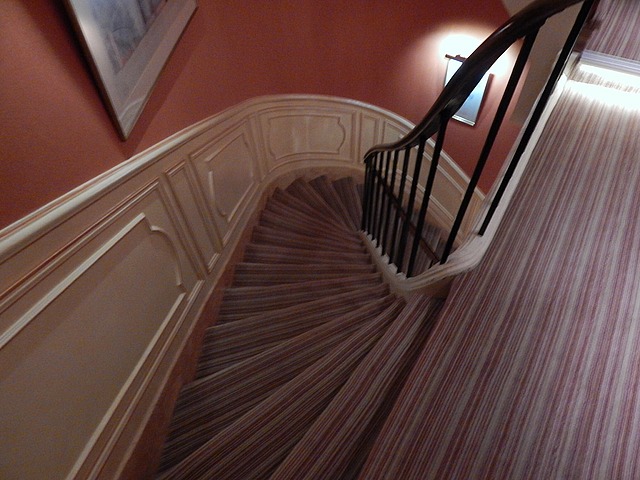
No. 7 The UBC or Uniform Building Code requirements for the depth and height for stair treads was codified long after Paris was built. Hand rails, where available on the street or in your hotel, should be used at all times.
Stairway near Sacre Coeur
Stairway in my Hotel
No. 8 There are no pedestrian activated signals. There are, however, pedestrian deactivating busses.
No. 9 I’m afraid it is true. I wanted to refute this common stereotype, but my studies have found it true . . . Americans are loud. You can hear them a block away
No. 10 If a Parisian bumps into you forcefully and apologizes profusely . . . immediately check your pockets.
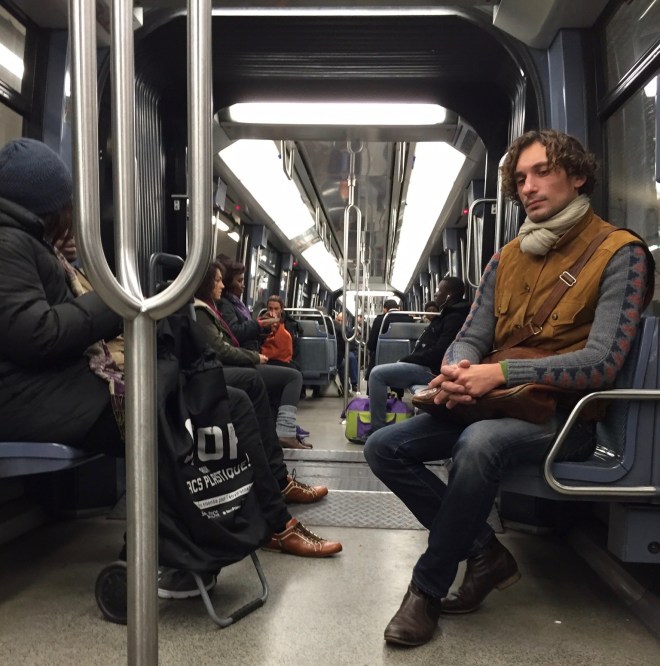
No. 11 Note to those of you who, like me, have balance problems, either due to small feet or inner ear issues . . . when standing in a subway train, firmly plant your feet wide apart , your legs parallel to the direction of travel , your feet perpedicular to the direction of travel, so as to avoid the “urban sprawl” that will occur when you lose your balance on acceleration of the subway and fly head first into the crowd.
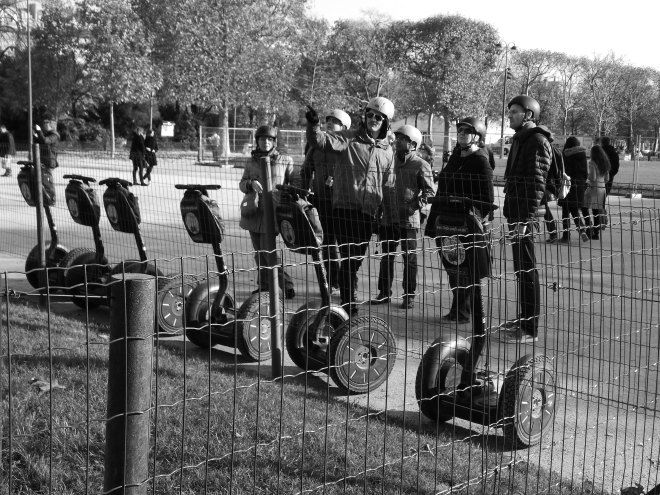
No. 12 Do not . . . I repeat . . . DO NOT, . . . opt for the Segway. (There’s a reason they issue helmets)
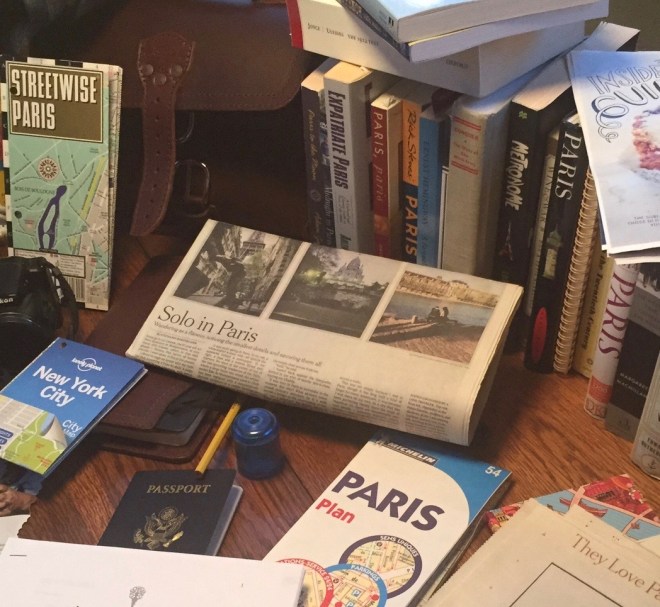
I have to admit the idea for this mid-life adventure started six months ago when I read an article in the Travel section of the New York Times by Stephanie Rosenbloom entitled “Solo in Paris.” She began the article . . ..
” Some go to La Coupole, the 87-year-old Art Deco brasserie in Montparnasse, to commune with friends; others, to dine with ghosts — Picasso, Piaf, Sartre, all former patrons. I went alone, to live in the present.”
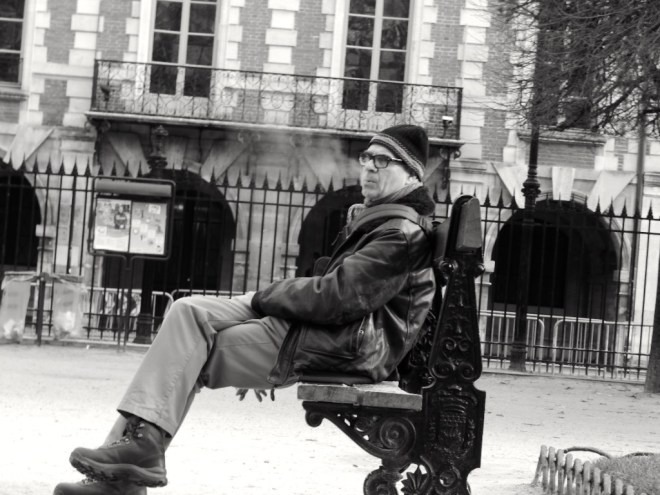
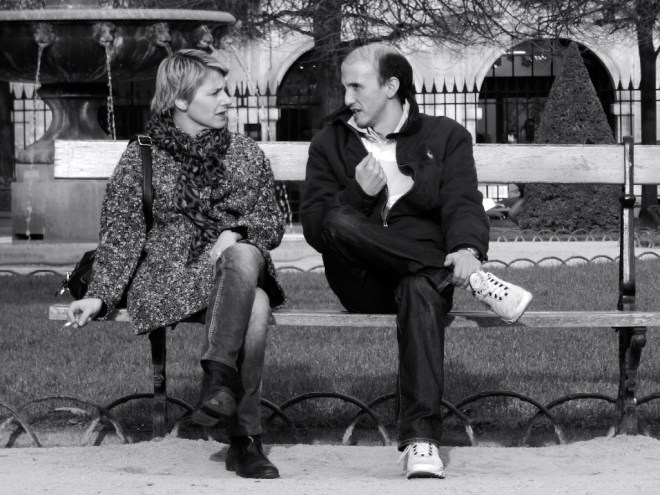
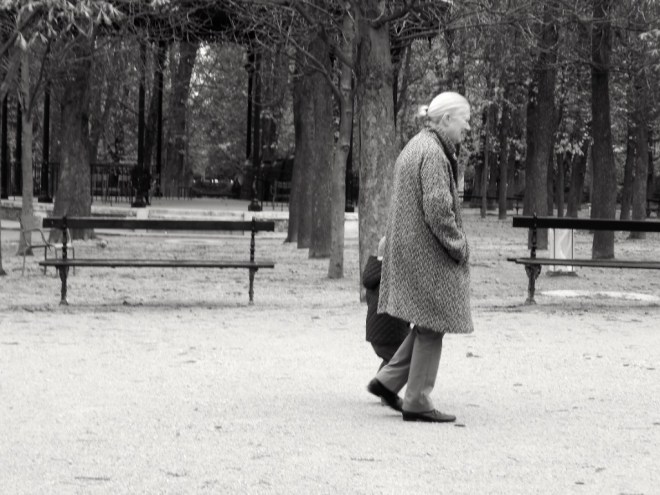
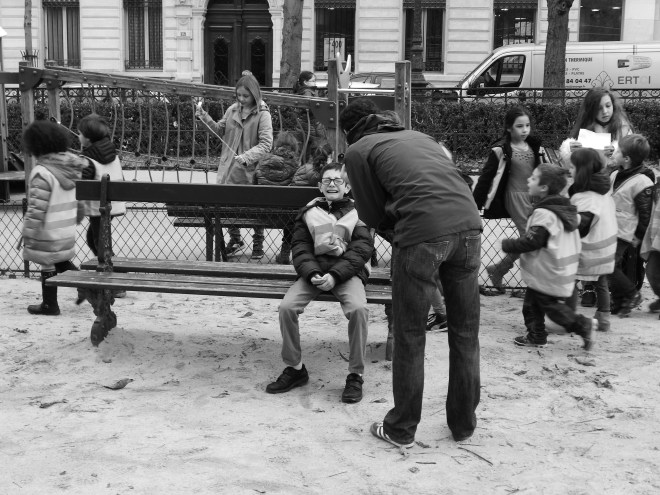
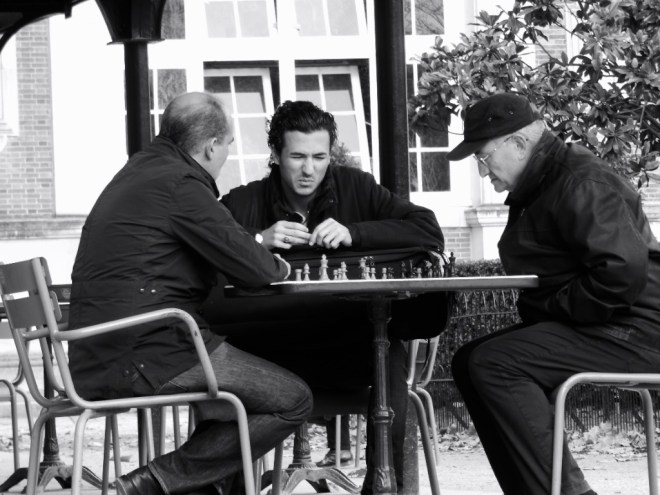
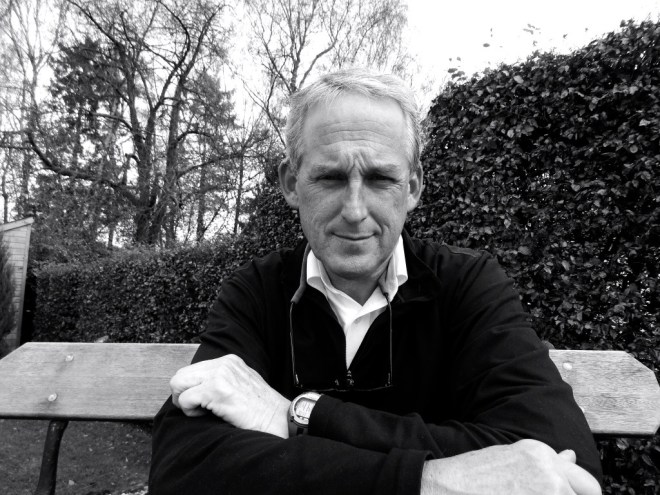
I’ve been on a lot of park benches lately. All of the pictures in this chapter were taken while sitting on a park bench.
Man in Square Laurent Prache
Lots of my friends advocate this outlook in some form or another. I know it dates back to when Buhda was a pup, and I guess I can accept the notion. However, I’m a bit skeptical of any philosophy which is a “synthesis” of older, more time tested models, made popular by a fella who had an epiphany in the middle of the night, woke up (literally and figuratively) to find heavy traffic blissful, and went on to make gazillions pedaling that awakening to folks stuck in heavy traffic, (both literally and figuratively).
Still, I think it’s a good outlook which, so long as one doesn’t use it to abdicate personal responsibility, has a lot going for it.
Man at Summit of Sacre Coeur
So I read on . . .
“It was easy in Paris to surrender to the moment. But why? What alchemy transmuted ordinary activities, be it a walk across a bridge or the unwrapping of butter, into a pleasure? . . .This was not simply because I was in Paris . . . it was because I was there on my own . . .’ [There] are innumerable sensual details — patterns, textures, colors, sounds — that can be diluted, even missed, when chattering with someone or collaborating on an itinerary. Alone one becomes acutely aware . . . ”
Here, Stephanie is spot on (imagine translating that expression?….”Vut eeze dees “spaught own, Robe?) That is one virtue of traveling alone. One does notice details one might not otherwise observe.
Woman in Square Laurent Prache
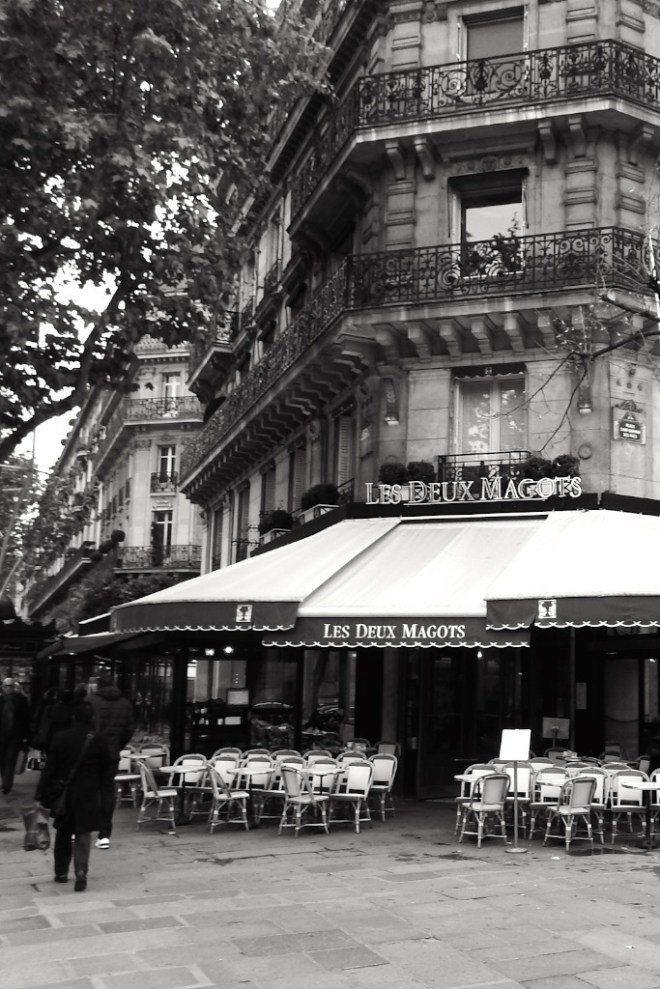
I too shared the “unwrapping butter” phenomenon just this morning at Les Deux Maggots. I ordered my usual “show-co-lot” and.. . .at least I thought I ordered . . “Toasts brioches avec beurre Echire” when the impatient waiter, no doubt annoyed with my lousy accent, followed up with,”confecture?” I responded saying yes, with a bit of a “mais oui” tude of my own. (Take that Claude!) He responded, “seulement?” . . . Okay, now I was winging it, I admit it, since i didn’t have a clue what “seulement ” meant. . . And said “oui, seulement.” Claude looked at me puzzled, shook his head, walked away and returned with my hot chocolate and a tiny jar of jam on a plate. That’s it. A little jar of jam on a little plate. (Apparently “seulement”=”only.”)
But I digress. The butter in France is really good. They give you a pad the size of a Reese’s Peanut Butter Cup wrapped in gold foil, and Stephanie is right , it is fun to unwrap.
Man on Steps to Sacre Coeur
Stephanie is also right about the travails (this language is easy) of traveling with others. We’ve all been on those family trips where most of the morning is waisted as polling takes place and a consensus is hammered out on what to do in the morning that was just occupied by polling and consensus building. Traveling alone, one has only oneself with whom to argue.
Man in Place des Voages
The trouble is there are a whole lot of “ones” in that last sentence . . . “alone” . . . “one” . . .”only” . . .”oneself.” (Here the reader will note the change in photographs to the plural, rather than the singular.)
A park bench, while a nice place for “one” to rest, is much nicer if shared. Listen, I know. I’ve been to New York and Paris. Trust me on this one. What makes this world a wonderful place is not the point of view individual perspective permits, but the joy of figuring out where we’ve been, where we are, and where we’re going with others.
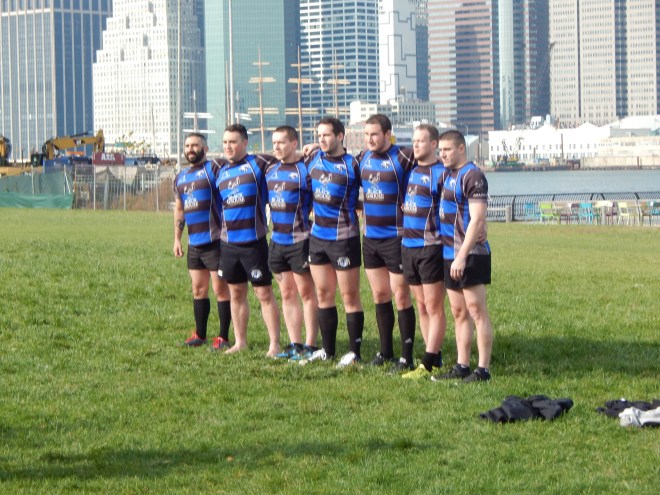
Be it a team,
Brooklyn Rugby Club
Be it friends.
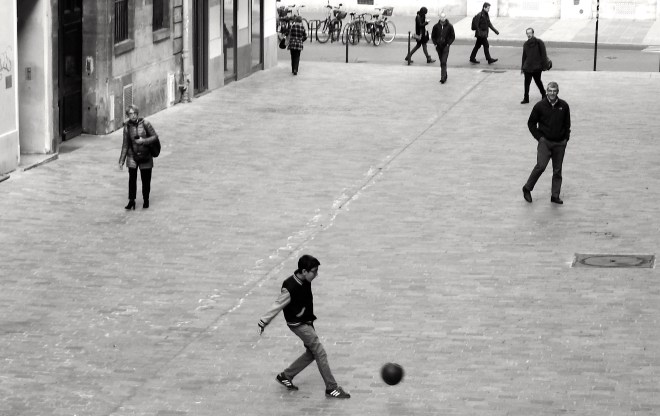
Soccer near Elise Saint-Sulpice
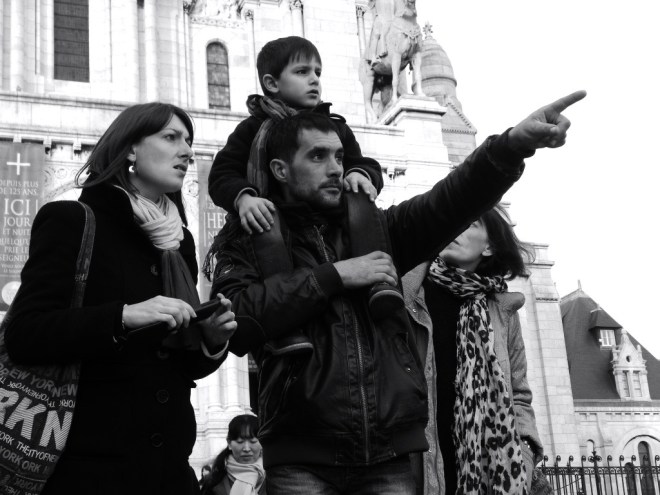
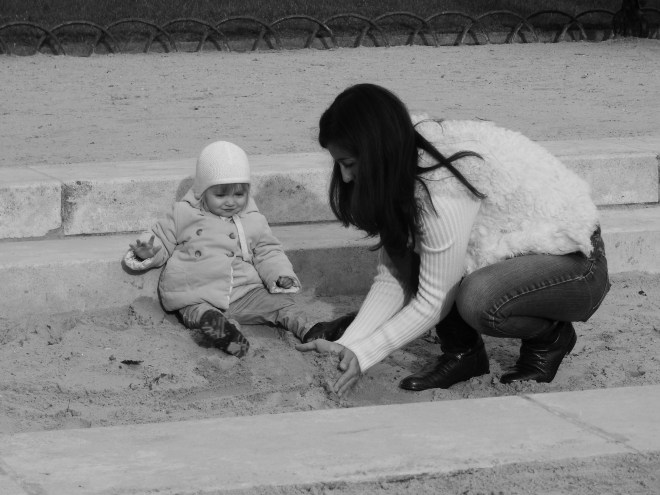
Be it a family
Sacre Coeur
Place des Voages
Or best of all, with someone who speaks your language in every tense, past, future, and . . . yes . . . even present.
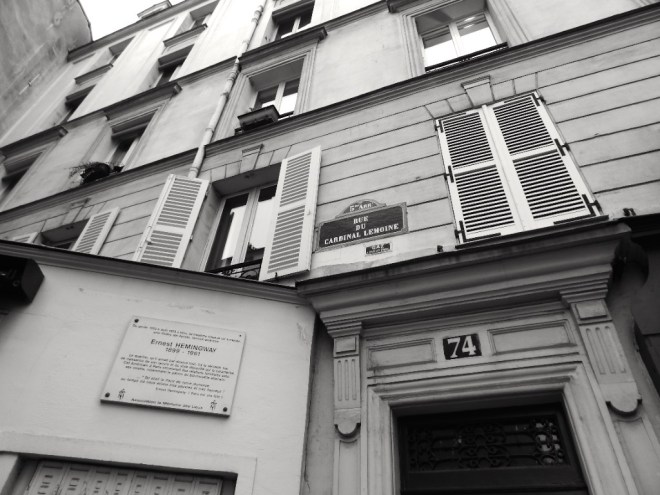
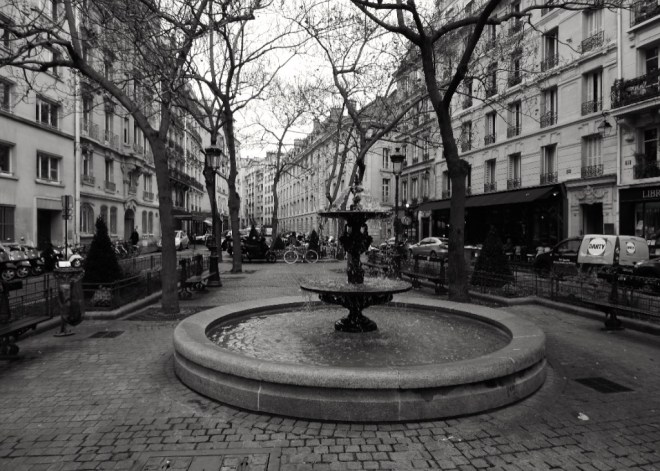
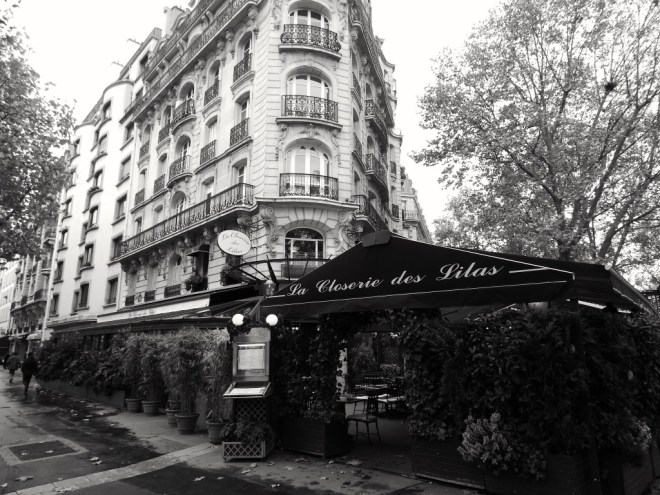
Hemingway wrote “Big Two-Hearted River“ in 1924, either here where he lived with his first wife Hadley and their infant son or much of it in a cafe, where yesterday I had breakfast. In “A Moveable Feast”, published after his death, he describes the walk he would take each day as he wrote that story. I always dreamt of taking that walk. Yesterday I did. Here is what he wrote; here is what I saw. “You expected to be sad in the fall. Part of you died each year when the leaves fell from the trees and their branches were bare against the wind and the cold, wintery light. But you knew there would always be the spring, as you knew the river would flow again after it was frozen.”
“Then there was the bad weather. It would come in one day when the fall was over. We would have to shut the windows in the night against the rain and the cold wind would strip the leaves from the trees in the Place Contrescarpe.”
Place Contrescarpe
Place Contrescarpe
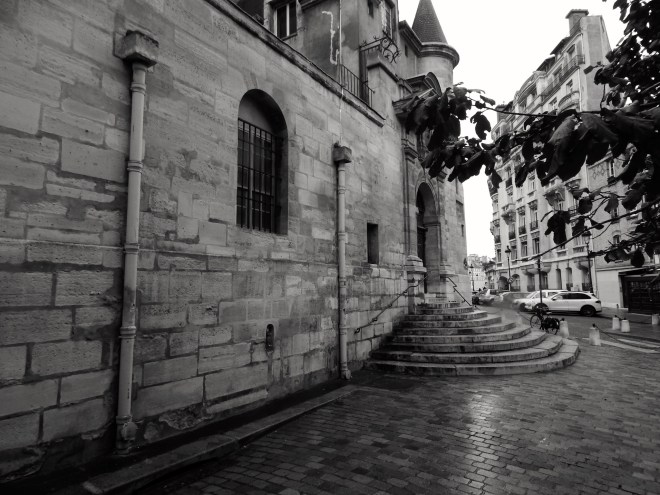
“I walked down past the Lycée Henri Quatre and the ancient church of St.-étienne-du-Mont and the windswept Place du Panthéon and cut in for shelter to the right and finally came out on the lee side of the Boulevard St.-Michel and worked on down it past the Cluny and the Boulevard St.-Germain until I came to a good café that I knew on the Place St.-Michel.”
Eglise St. Etiene du Mont
“It was a pleasant café, warm and clean and friendly, and I hung up my old waterproof on the coat rack to dry and put my worn and weathered felt hat on the rack above the bench and ordered a café au lait. The waiter brought it and I took out a notebook from the pocket of the coat and a pencil and started to write. I was writing about up in Michigan and since it was a wild, cold, blowing day it was that sort of day in the story. I had already seen the end of fall come through boyhood, youth and young manhood, and in one place you could write about it better than in another.”
La Closerie des Lilas
Les Deux Magots
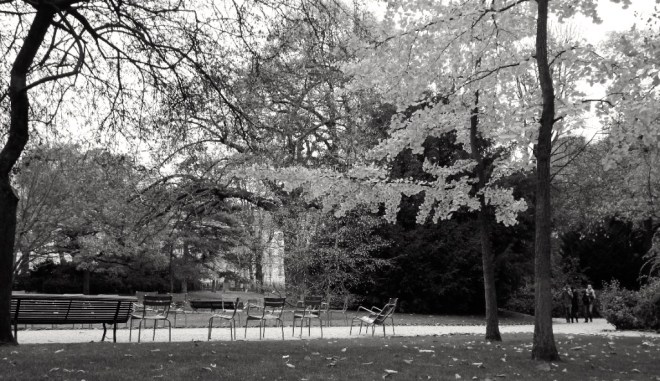
“If I walked down by different streets to the Jardin du Luxembourg in the afternoon I could walk through the gardens “
Jardin de Luxembourg
Jardin de Luxembourg
Jardin de Luxembourg
and then go to the Musée du Luxembourg where the great paintings were that have now mostly been transferred to the Louvre and the Jeu de Paume. I went there nearly every day for the Cézannes and to see the Manets and the Monets and the other Impressionists that I had first come to know about in the Art Institute at Chicago. I was learning something from the painting of Cézanne that made writing simple true sentences far from enough to make the stories have the dimensions that I was trying to put in them. I was learning very much from him but I was not articulate enough to explain it to anyone. Besides it was a secret.”
Jardin de Luxembourg
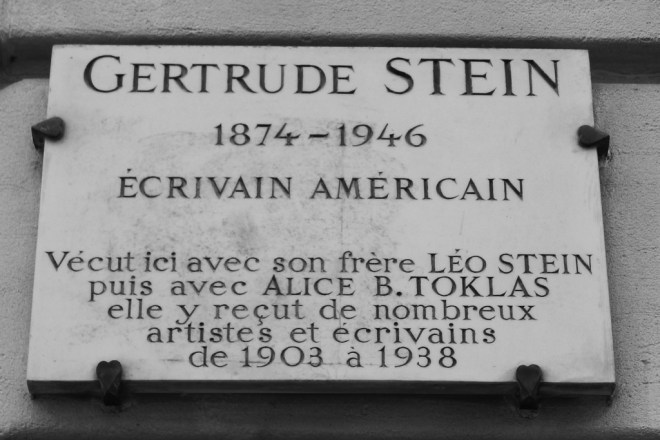
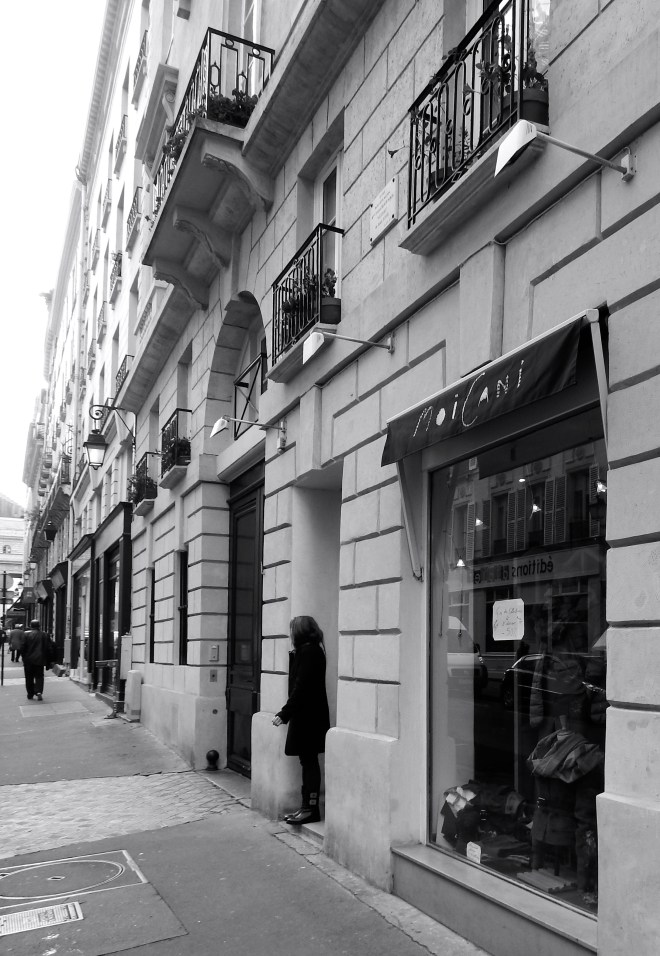
“But if the light was gone in the Luxembourg I would walk up through the gardens and stop in at the studio apartment where Gertrude Stein lived at 27 rue de Fleurus.”
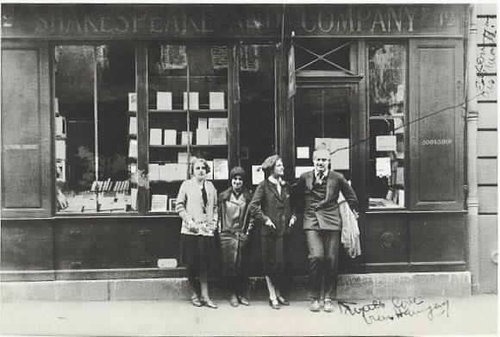
And of Shakespeare & Company where Sylvia Beach was so kind to him…
“On a cold windswept street, this was a warm, cheerful place with a big stove in winter, tables and shelves of books, new books in the window, “
I was early for my train from Arlon back to Paris this morning so I took a short walk and came upon a statue in front of Eglise Saint Martin, a gothic cathedral in the center of town.
Do you know this man?
King Albert I
I didn’t.
I consider myself an educated man, obviously not well travelled, but reasonably well read. Until tonight I knew nothing of King Albert I of Belgium. I should have.
If Wikipedia can be relied upon . . . I know . . . I know . . .not exactly a reliable source . . . but if half of what it says here is true, we all should know of King Albert I of Belgium. He was a remarkable man:
In his youth, anticipating he would become king, he traveled about the poor of his country incognito so as to better understand the plight of the working class;
Before becoming king, he advocated for reforms in the Belgian Congo where his uncle, then King Leopold had literally “owned” the country and cruelly exploited and terrorized the native population to make himself personally wealthy;
At the outset of World War I he refused to permit the German Army to violate Belgium’s neutrality and invade France through his country. Germany invaded Belgium nonetheless, virtually pushing it into the sea. King Albert personally fought along side his troops, was himself actively engaged in combat, while his wife, the Queen, worked as a nurse in a field hospital. He allowed his 14 year old son to enlist.
Appalled by the ghastly nature of the war and the horrendous casualties, he worked back channels on both sides imploring them to adopt a “no victors, no vanquished” resolution. Germany, France, and England all ignored him;
He abolished a voting system that gave privileged, educated and older men multiple votes, and instituted one man, one vote universal suffrage in Belgium.
He was one of few to counsel that reparations assessed against Germany after World War I not be too harsh as doing so would, in his judgment, lead to yet another war (he was right)
He was a strong conservationist and created the first national park in Africa;
He was a passionate mountain climber and died in a mountain climbing fall at the age of 57.
I didn’t have a clue.
One of the things that I have learned from this trip . . . and I can only speak for myself, but suspect the same may be true of many Americans . . . is that I know so little of other countries, their history, their culture, their language.
I should. We all should.
Everywhere I go, with very few exceptions, people quickly recognize how poor my French is, then apologize for their poor English, and then speak English so well. I couldn’t do that if a Frenchman, or a Belgian, or a . . .uhhh. . . Luxembourgian? . . . were to come to Santa Rosa.
Yeah, I know English has become the language of the world, but it feels presumptuous to assume folks from other countries , perhaps smaller, perhaps less wealthy, but with great men of their own, men from whom we have much to learn, that they should be so kind and so well educated as to offer to speak the “King’s English” and do so, so well, when we know so little of their kings.
I have much to learn before I qualify to be a citizen of the world.
Those of you who know me know I am not a spiritual man . . . well . . . maybe about golf. But as I was preparing for this trip I have to admit I may have experienced a spiritual moment. A true moment of enlightenment. You know . . . one of those moments in the movies when the hero looks into the camera with a meaningful expression and celestial music is heard
Be warned: what follows is a true story, The god’s honest truth.
This is a map from General William Simpson’s history of the Ninth Army, a tedious tome to which Bill gave the catchy title “Conquest.” As you can see, the map is entitled “Situation in Southern Belgium and Luxembourg. You can find Arlon in the lower left corner.
Note the sub-title “As of October 22, 1944″ . . . hmmmm . . . .now that’s a coincidence . . . that’s the very same day Uncle Robert died.
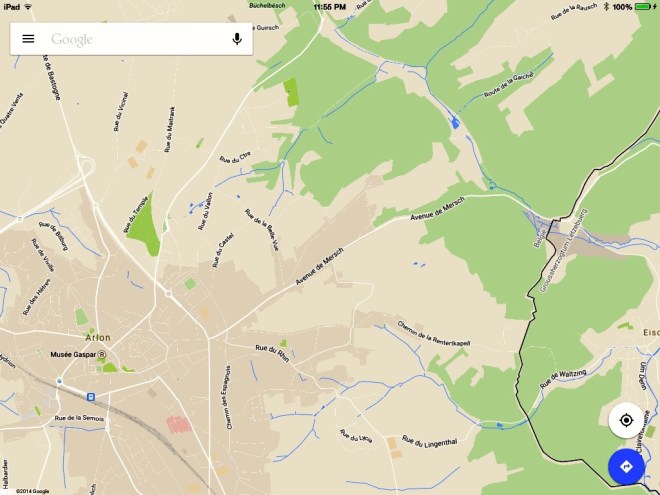
This is a map from Google Maps depicting the same area.
When I first pulled this Google Map up I thought . . . well . . . I know that he died on a road heading east out of Arlon . . . and I know that it happened just over the border to Luxembourg. Okay? So, really it could have happened anywhere in this tiny little country. Hell, Luxembourg is about the size of Rhode Island.
And remember Rob, it’s been 70 years. A lot has changed in 70 years. Hell, it’s probably a parking lot now.
But I thought . . . if I follow that road east out of Arlon, and I see where that road crosses the boundary between Belgium and Luxembourg, and I just pick a random spot just over the border that’s where I’ll say my thanks.
So I planted my finger on the map and said . . . “there, right there . . . I don’t know what’s there, but that’s where I’m going.
Cue celestial music.
So I pushed the little “plus” sign on my Google Maps, said to myself “Let’s see what’s there” . . . zoomed in, . . . zoomed in . . . zoomed in . . . squinted. . . and . . .
A Muni Golf Course? My people . . .
A GOLF COURSE?
Luxembourg has a muni?????
But wait . . . there’s more.
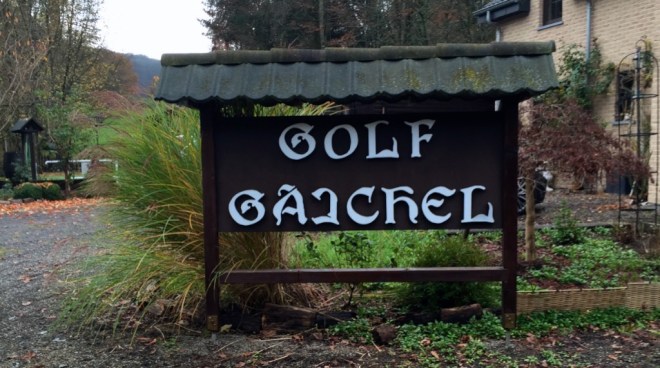
I zoom in further and see that “Golf Gaichel” has a link. Let’s check it out. So I did and this is what I saw. Pull this sight up on a computer (rather than a smart phone) and you’ll actually hear celestial music. I kid you not.
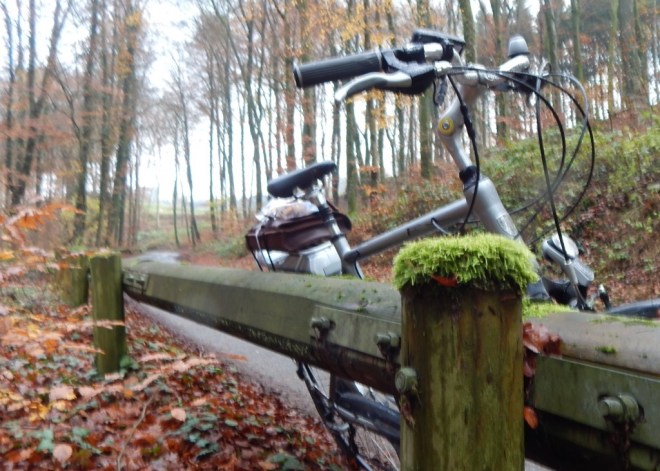
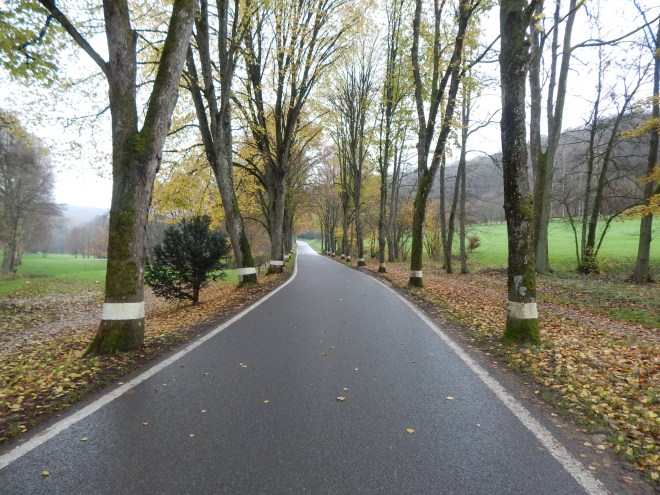
Rob, I said, you were meant to go to this golf course. So the good folks here at the hotel where I am staying lent me a bike and I set off. This is what I saw.
You Gotta Love the Fall
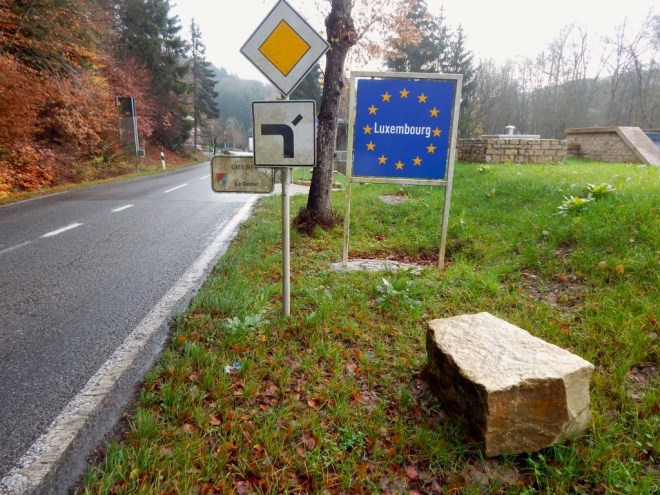
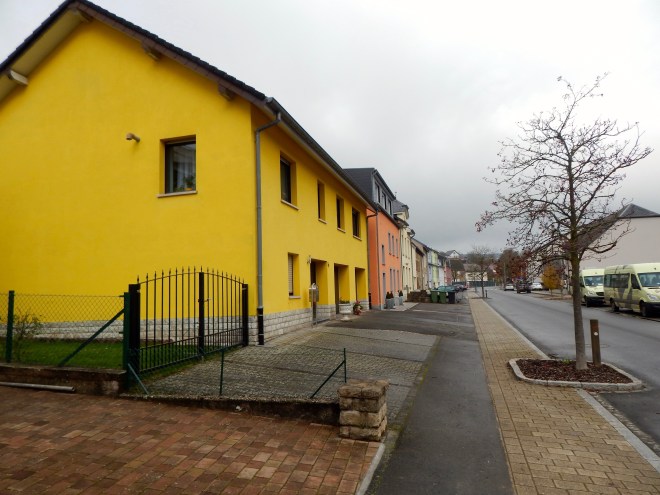
And before I knew it I was in Luxembourg.
Funny thing, I think time has stopped in Luxembourg. It wasn’t a parking lot. It was beautiful and everything I had ever imagined.
I know a golf course may seem a silly place to say thanks and some may think I am making light of my goal. But, I was . . . WAS . . . “somewhere in Luxenbourg” as I set out to be. And it was so peaceful, so serene, so . . . perfect.
Gaichel Muni
Yes, the course was closed, but I had such a nice time walking the fairways. I know somehow I was meant to go there. Somehow, someway I was meant to walk a golf course in Luxembourg.
After a lunch of bottled water and madeleines by a stream, I pressed on, just turning down roads as they appeared, climbing ascents to see what was on top. (Note to self: Luxembourg is one hilly country. What it lacks in acreage it makes up for in vertical feet. Thankfully, the bike had a granny gear.), rolling into charming little towns and exchanging “Bonjours.”
The Climb to Heckbus
A Sweet Ride
A Madelaine for Lunch
Eiaschen, Luxembourg
Back to Belgium
I must have clocked another 50 kilometers. It was such a pleasant day.
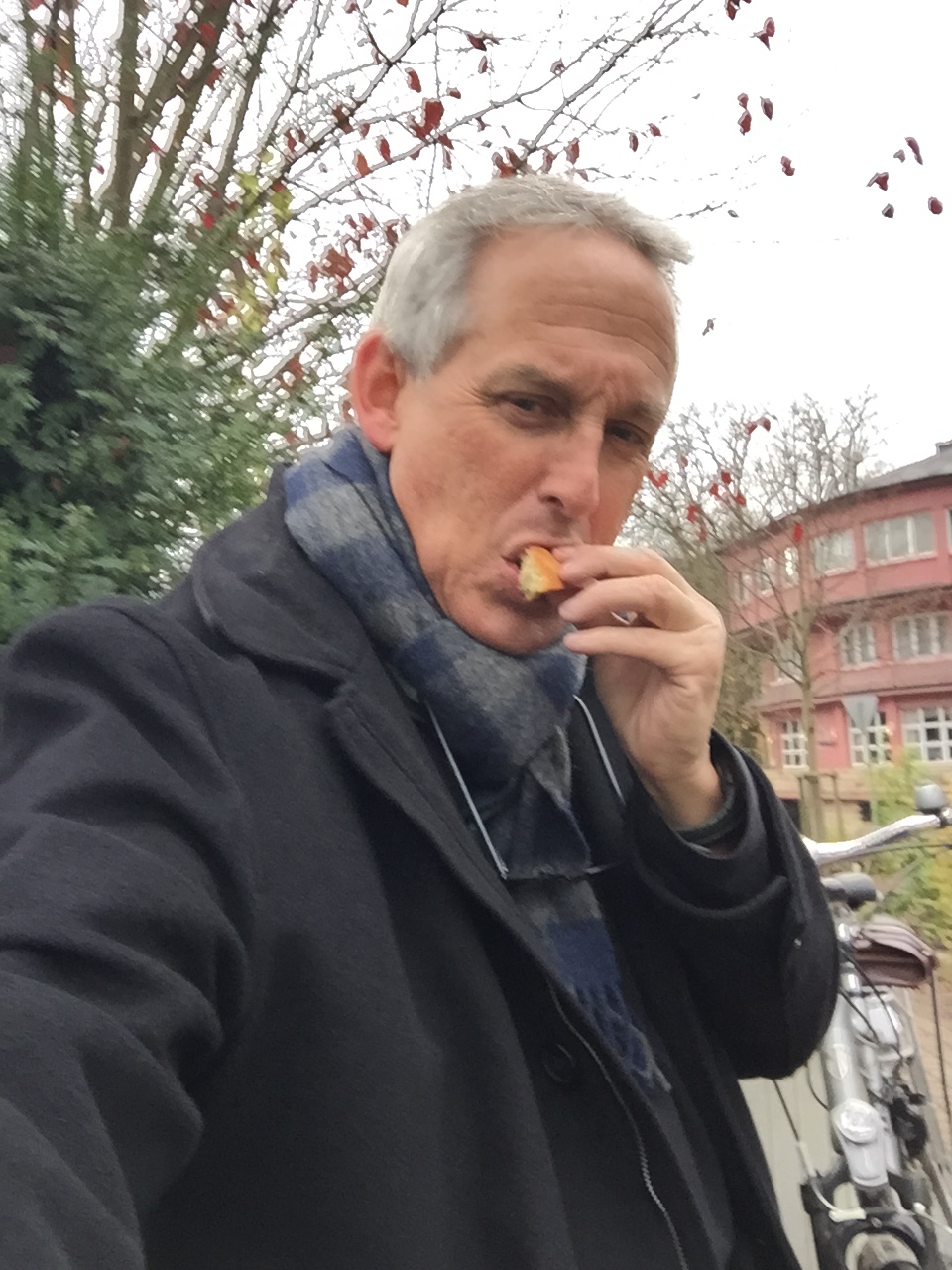
And tonight at dinner, I spent a wonderful hour talking with a nice guy from Antwerp. We talked about daughters and sons, grandchildren, wars, cycling, Roger Federer, the Tour de France, and laughed and laughed, probably to the annoyance of the other reserved patrons. We exchanged selfies and au revoirs and went our separate ways fonder of one another’s countries (I like to think) just by virtue of a casual conversation.
Christoph and Ro-bare
I will always remember this day with gratitude for all my good fortune.




















 "Not All Those Who Wander Are Lost"